Programs & activities
Six program areas, each still taking shape.
These program concepts describe how the organization's focus could become practical activity. Each one lists who it is for, what it might involve, and how it could be evaluated.
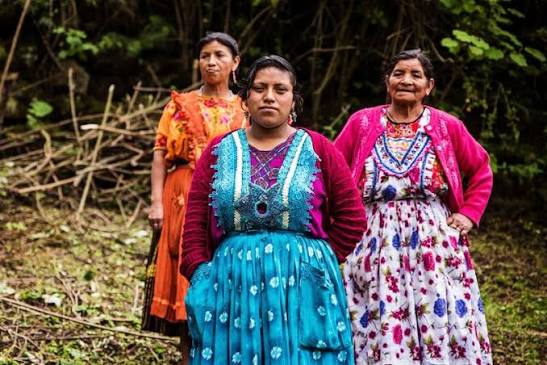
Planned focus areas. The activities described here are proposed concepts. They are not presented as active, funded, completed, or officially approved programs.
01
Program A: Cultural Heritage Awareness
- Purpose
- Encourage appreciation of cultural heritage, traditional knowledge, local history, and cultural continuity.
- Intended audience
- Young people, families, students, and community members interested in local history and traditions.
- Main themes
- Traditions, local history, intergenerational knowledge, cultural continuity.
- Possible activities
- Educational discussions about cultural heritage · Learning resources about traditions and community history · Opportunities for intergenerational knowledge-sharing · Cultural awareness events, if organized · Educational collaboration with relevant cultural stakeholders
- Expected learning benefits
- A deeper understanding of where customs come from and why they matter today.
- Community relevance
- Connects everyday community life with cultural continuity and care for the environment.
- Opportunities for participation
- Interested people can contact the organization to express interest once activities are confirmed.
- How it could be evaluated
- Documented activities, participant feedback, and resources produced, reported only from verified records.
- Current status
- Proposed
02
Program B: Environmental Education
- Purpose
- Encourage understanding of environmental responsibility and sustainable everyday practices.
- Intended audience
- Students, young people, and community members.
- Main themes
- Conservation, sustainability, responsible resource use.
- Possible activities
- Environmental awareness materials · Educational discussions about conservation and sustainability · Information about responsible resource use · Community learning activities · Educational collaboration with environmental organizations
- Expected learning benefits
- Practical knowledge that helps people make more responsible daily choices.
- Community relevance
- Connects everyday community life with cultural continuity and care for the environment.
- Opportunities for participation
- Interested people can contact the organization to express interest once activities are confirmed.
- How it could be evaluated
- Documented activities, participant feedback, and resources produced, reported only from verified records.
- Current status
- Proposed
03
Program C: Youth Engagement and Participation
- Purpose
- Encourage young people to develop knowledge, confidence, responsibility, and constructive community involvement.
- Intended audience
- Young people and youth groups.
- Main themes
- Confidence, teamwork, leadership, community involvement.
- Possible activities
- Youth discussion sessions · Educational workshops, if organized · Opportunities to share ideas · Community participation initiatives · Leadership and teamwork learning opportunities
- Expected learning benefits
- Greater confidence, communication skills, and a sense of responsibility toward community life.
- Community relevance
- Connects everyday community life with cultural continuity and care for the environment.
- Opportunities for participation
- Interested people can contact the organization to express interest once activities are confirmed.
- How it could be evaluated
- Documented activities, participant feedback, and resources produced, reported only from verified records.
- Current status
- Proposed
04
Program D: Community Awareness
- Purpose
- Encourage discussion and shared learning around cultural heritage, environmental responsibility, and youth involvement.
- Intended audience
- The wider public and local community groups.
- Main themes
- Shared learning, public awareness, dialogue.
- Possible activities
- Educational information campaigns · Community learning sessions · Public awareness materials · Community discussions · Cooperation with interested local stakeholders
- Expected learning benefits
- Wider understanding of why heritage and the environment are shared concerns.
- Community relevance
- Connects everyday community life with cultural continuity and care for the environment.
- Opportunities for participation
- Interested people can contact the organization to express interest once activities are confirmed.
- How it could be evaluated
- Documented activities, participant feedback, and resources produced, reported only from verified records.
- Current status
- Proposed
05
Program E: Sustainable Community Practices
- Purpose
- Explore practical ways to connect environmental awareness with responsible community behavior.
- Intended audience
- Households, community groups, and young people.
- Main themes
- Waste reduction, responsible consumption, local environmental responsibility.
- Possible activities
- Information about reducing unnecessary waste · Educational resources on sustainability · Awareness of local environmental responsibilities · Responsible consumption and resource-use education · Community-oriented learning initiatives
- Expected learning benefits
- Simple, achievable habits that reduce waste and support local environments.
- Community relevance
- Connects everyday community life with cultural continuity and care for the environment.
- Opportunities for participation
- Interested people can contact the organization to express interest once activities are confirmed.
- How it could be evaluated
- Documented activities, participant feedback, and resources produced, reported only from verified records.
- Current status
- Proposed
06
Program F: Education and Knowledge Sharing
- Purpose
- Make information about cultural and environmental responsibility accessible to interested individuals.
- Intended audience
- Anyone seeking clear information, including educators and students.
- Main themes
- Accessible knowledge, guides, presentations.
- Possible activities
- Educational articles and guides · Awareness presentations · Information resources · Learning discussions · Knowledge-sharing with relevant stakeholders
- Expected learning benefits
- Reliable, easy-to-read information that people can use and pass on.
- Community relevance
- Connects everyday community life with cultural continuity and care for the environment.
- Opportunities for participation
- Interested people can contact the organization to express interest once activities are confirmed.
- How it could be evaluated
- Documented activities, participant feedback, and resources produced, reported only from verified records.
- Current status
- Proposed
Continue reading