
Environmental responsibility
The land remembers how it is treated.
Environmental responsibility starts with understanding: how ecosystems work, how daily choices affect them, and how communities can care for the places they depend on.
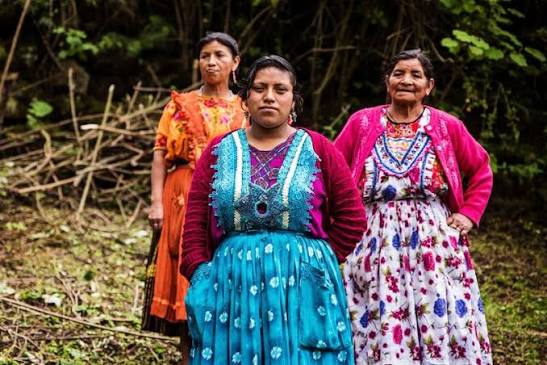
Understanding environmental responsibility
Being responsible toward the environment means recognizing that water, soil, air, plants, and animals are shared and limited. It is less about grand gestures and more about steady, informed care.
Environmental education
Clear, accurate information helps people see the connections between their habits and the health of their surroundings. Education also helps people evaluate claims and make decisions for themselves.
Responsible resource use
Using water, energy, and materials thoughtfully reduces pressure on the environment. Many traditional ways of living already reflect this, and they are worth learning from.
Sustainable everyday choices
- 1.Reducing unnecessary waste and single-use items
- 2.Reusing and repairing where practical
- 3.Leaving natural places as they were found
- 4.Learning about the plants, animals, and waterways nearby
Youth and environmental awareness
Young people will live longest with today's environmental decisions. Helping them understand those decisions, and giving them ways to contribute, is a practical investment in the future.
Community learning opportunities
Environmental understanding grows fastest when people learn together: in classrooms, neighborhoods, and families.
Potential environmental education activities
- 1.Awareness materials and short guides
- 2.Discussion sessions on conservation and sustainability
- 3.Community learning activities, if organized
- 4.Educational cooperation with environmental organizations